
Justin Sanders slides by Emerson Axsom in the final set of corners for the biggest win of his career and protects home turf
STOCKTON, CA (September 19, 2026) – Stockton Dirt Track sent a shockwave through California’s Central Valley Saturday night.
Aromas, CA’s own Justin Sanders caused the grandstands to absolutely erupt. He’d been trying to beat the World of Outlaws NOS Energy Drink Sprint Car Series on his home turf for more than a decade. Time and time again he’d come close when the tour rolled through the “Golden State” but come up short.
Not on Saturday.
The 34-year-old finally checked a win with The Greatest Show on Dirt off the bucket list in perhaps the most spectacular fashion possible. The Dennis Roth Classic finale put a huge $83,000 payday up for grabs at Stockton, and Sanders finally broke through in the Mittry Motorsports No. 2X. He got the lead at the start of the 40-lapper before relinquishing it to Emerson Axsom later. That looked as if it may send Axsom to victory as he pulled away, but traffic brought Sanders back into the picture in the closing circuits. Axsom left the door open in the final set of corners, and Sanders barged through with a slide job to steal the checkered flag and massive check.
“I thought it was over,” Sanders admitted. “You don’t ever give up until the last lap. I stuck it in there and thought we were clear. I thought I saw the white then I thought I was the double checkered… This is awesome. You never know if you’re going to be able to get that Outlaw win. You don’t know how you’re going to feel. I don’t know how I feel right now. A lot of late nights in the shop, a lot of stuff in the small garage. This is awesome. I don’t know what to say.”
Sanders is the 161st different winner in World of Outlaws history and sixth different first-timer in 2026, joining Kasey Kahne, Bryce Lucius, Chris Windom, Garet Williamson, and Emerson Axsom. He’s the 23rd different winner this season, just two away from equaling the record of 25 set in 2004. It’s the first World of Outlaws triumph for Demo Mittry’s team, Mittry Racing.
Emerson Axsom settled for a heartbreaking runner-up in the Klaasmeyer/Petry Motorsports No. 27 after letting the lead slip away with the finish line in sight.
James McFadden brought the Tarlton Motorsports No. 21 home third, falling only two spots shy of sweeping the Dennis Roth Classic after Friday’s victory.
David Gravel and Buddy Kofoid completed the top five.
NIGHTLY NOTES
Buddy Kofoid clocked the Race//Ready Hottest Lap of the Night.
Kofoid then set Simpson Quick Time for the second night in a row.
Heat Races belonged to Buddy Kofoid (NOS Energy Drink Heat One), Max Mittry (TheGreatestStoreonDirt.com Heat Two), James McFadden (WIX Filters Heat Three), and Justin Sanders (Golf Cart Services Heat Four).
The SPA Technique #1 Redraw went to Emerson Axsom.
Axsom also topped the Toyota Dash.
Tim Kaeding won the Micro-Lite Last Chance Showdown.
Shane Golobic wheeled from 24th to 10th to earn his second straight KSE Racing Products Hard Charger.
Carson Macedo was the Tub O’ Towels Seventh Place Finisher.
Emerson Axsom’s runner-up made him the Five Star Bodies Rookie of the Race.
Justin Sanders clocked the ACME Trading Company Fast Lap.
The Smith Titanium Brake Systems Break of the Race went to Dominic Gorden.
UP NEXT: The World of Outlaws NOS Energy Drink Sprint Cars wrap up the California swing with three races in five days at Kings Speedway (Sept. 22), Bakersfield Speedway at Kevin Harvick’s Kern Raceway (Sept. 25), and Ventura Raceway (Sept. 26). For tickets, CLICK HERE.
Where can you watch every World of Outlaws race? Live on DIRTVision.
Where can you see the World of Outlaws in 2026? Click to see the full schedule.
FEATURE RESULTS:
NOS Energy Drink Feature (40 Laps): 1. 2X-Justin Sanders[2]; 2. 27-Emerson Axsom[1]; 3. 21-James McFadden[3]; 4. 2-David Gravel[7]; 5. 83-Michael Kofoid[4]; 6. 17-Spencer Bayston[9]; 7. 41-Carson Macedo[11]; 8. 2XM-Max Mittry[5]; 9. 23-Garet Williamson[14]; 10. 17W-Shane Golobic[24]; 11. 2C-Cole Macedo[17]; 12. 0-Tim Kaeding[21]; 13. 16C-Skylar Gee[12]; 14. 2A-Austin Wood[23]; 15. 1S-Logan Schuchart[22]; 16. 21L-Landon Brooks[10]; 17. 2K-Jake Andreotti[15]; 18. 17B-Bill Balog[19]; 19. 7C-Dylan Bloomfield[18]; 20. 83T-Tanner Carrick[20]; 21. (DNF) 10-Dominic Gorden[8]; 22. (DNF) 18-Sheldon Haudenschild[6]; 23. (DNF) 3-Kaleb Montgomery[13]; 24. (DNF) 28M-Conner Morrell[16]
For complete results, CLICK HERE.
HOME STATE STUNNER: Sanders Steals Dennis Roth Classic for First World of Outlaws Win, Banks $83,000
Justin Sanders slides by Emerson Axsom in the final set of corners for the biggest win of his career and protects home turf
STOCKTON, CA (September 19, 2026) – Stockton Dirt Track sent a shockwave through California’s Central Valley Saturday night.
Aromas, CA’s own Justin Sanders caused the grandstands to absolutely erupt. He’d been trying to beat the World of Outlaws NOS Energy Drink Sprint Car Series on his home turf for more than a decade. Time and time again he’d come close when the tour rolled through the “Golden State” but come up short.
Not on Saturday.
The 34-year-old finally checked a win with The Greatest Show on Dirt off the bucket list in perhaps the most spectacular fashion possible. The Dennis Roth Classic finale put a huge $83,000 payday up for grabs at Stockton, and Sanders finally broke through in the Mittry Motorsports No. 2X. He got the lead at the start of the 40-lapper before relinquishing it to Emerson Axsom later. That looked as if it may send Axsom to victory as he pulled away, but traffic brought Sanders back into the picture in the closing circuits. Axsom left the door open in the final set of corners, and Sanders barged through with a slide job to steal the checkered flag and massive check.
“I thought it was over,” Sanders admitted. “You don’t ever give up until the last lap. I stuck it in there and thought we were clear. I thought I saw the white then I thought I was the double checkered… This is awesome. You never know if you’re going to be able to get that Outlaw win. You don’t know how you’re going to feel. I don’t know how I feel right now. A lot of late nights in the shop, a lot of stuff in the small garage. This is awesome. I don’t know what to say.”
Sanders is the 161st different winner in World of Outlaws history and sixth different first-timer in 2026, joining Kasey Kahne, Bryce Lucius, Chris Windom, Garet Williamson, and Emerson Axsom. He’s the 23rd different winner this season, just two away from equaling the record of 25 set in 2004. It’s the first World of Outlaws triumph for Demo Mittry’s team, Mittry Racing.
Emerson Axsom settled for a heartbreaking runner-up in the Klaasmeyer/Petry Motorsports No. 27 after letting the lead slip away with the finish line in sight.
James McFadden brought the Tarlton Motorsports No. 21 home third, falling only two spots shy of sweeping the Dennis Roth Classic after Friday’s victory.
David Gravel and Buddy Kofoid completed the top five.
NIGHTLY NOTES
Buddy Kofoid clocked the Race//Ready Hottest Lap of the Night.
Kofoid then set Simpson Quick Time for the second night in a row.
Heat Races belonged to Buddy Kofoid (NOS Energy Drink Heat One), Max Mittry (TheGreatestStoreonDirt.com Heat Two), James McFadden (WIX Filters Heat Three), and Justin Sanders (Golf Cart Services Heat Four).
The SPA Technique #1 Redraw went to Emerson Axsom.
Axsom also topped the Toyota Dash.
Tim Kaeding won the Micro-Lite Last Chance Showdown.
Shane Golobic wheeled from 24th to 10th to earn his second straight KSE Racing Products Hard Charger.
Carson Macedo was the Tub O’ Towels Seventh Place Finisher.
Emerson Axsom’s runner-up made him the Five Star Bodies Rookie of the Race.
Justin Sanders clocked the ACME Trading Company Fast Lap.
The Smith Titanium Brake Systems Break of the Race went to Dominic Gorden.
UP NEXT: The World of Outlaws NOS Energy Drink Sprint Cars wrap up the California swing with three races in five days at Kings Speedway (Sept. 22), Bakersfield Speedway at Kevin Harvick’s Kern Raceway (Sept. 25), and Ventura Raceway (Sept. 26). For tickets, CLICK HERE.
Where can you watch every World of Outlaws race? Live on DIRTVision.
Where can you see the World of Outlaws in 2026? Click to see the full schedule.
FEATURE RESULTS:
NOS Energy Drink Feature (40 Laps): 1. 2X-Justin Sanders[2]; 2. 27-Emerson Axsom[1]; 3. 21-James McFadden[3]; 4. 2-David Gravel[7]; 5. 83-Michael Kofoid[4]; 6. 17-Spencer Bayston[9]; 7. 41-Carson Macedo[11]; 8. 2XM-Max Mittry[5]; 9. 23-Garet Williamson[14]; 10. 17W-Shane Golobic[24]; 11. 2C-Cole Macedo[17]; 12. 0-Tim Kaeding[21]; 13. 16C-Skylar Gee[12]; 14. 2A-Austin Wood[23]; 15. 1S-Logan Schuchart[22]; 16. 21L-Landon Brooks[10]; 17. 2K-Jake Andreotti[15]; 18. 17B-Bill Balog[19]; 19. 7C-Dylan Bloomfield[18]; 20. 83T-Tanner Carrick[20]; 21. (DNF) 10-Dominic Gorden[8]; 22. (DNF) 18-Sheldon Haudenschild[6]; 23. (DNF) 3-Kaleb Montgomery[13]; 24. (DNF) 28M-Conner Morrell[16]
For complete results, CLICK HERE.
 Chevrolet’s season statistics with 29 NASCAR Cup Series races complete:
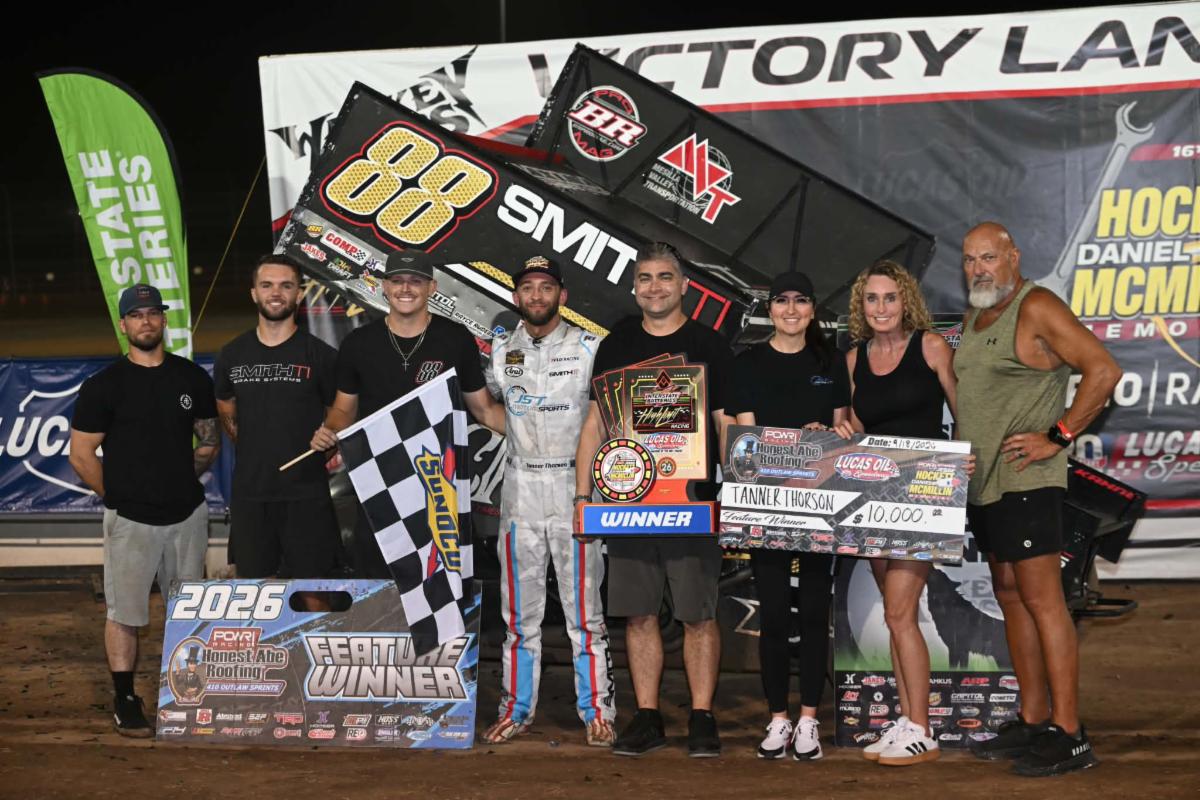 WHEATLAND, MO. (September 18, 2026) – Ever since 2024, many on the road knew that it was only a matter of when, not if that Tanner Thorson wins an Interstate Batteries High Limit Racing event specifically at Lucas Oil Speedway; that finally happened on Friday night at the Jesse Hockett/Daniel McMillin Memorial.
 47th Annual Jackson 100 Brings Lucas Oil Late Model Stars to Brownstown Speedway
 Big River Steel Bonus Program Puts $275,000 on the Line in Season’s Final Stretch
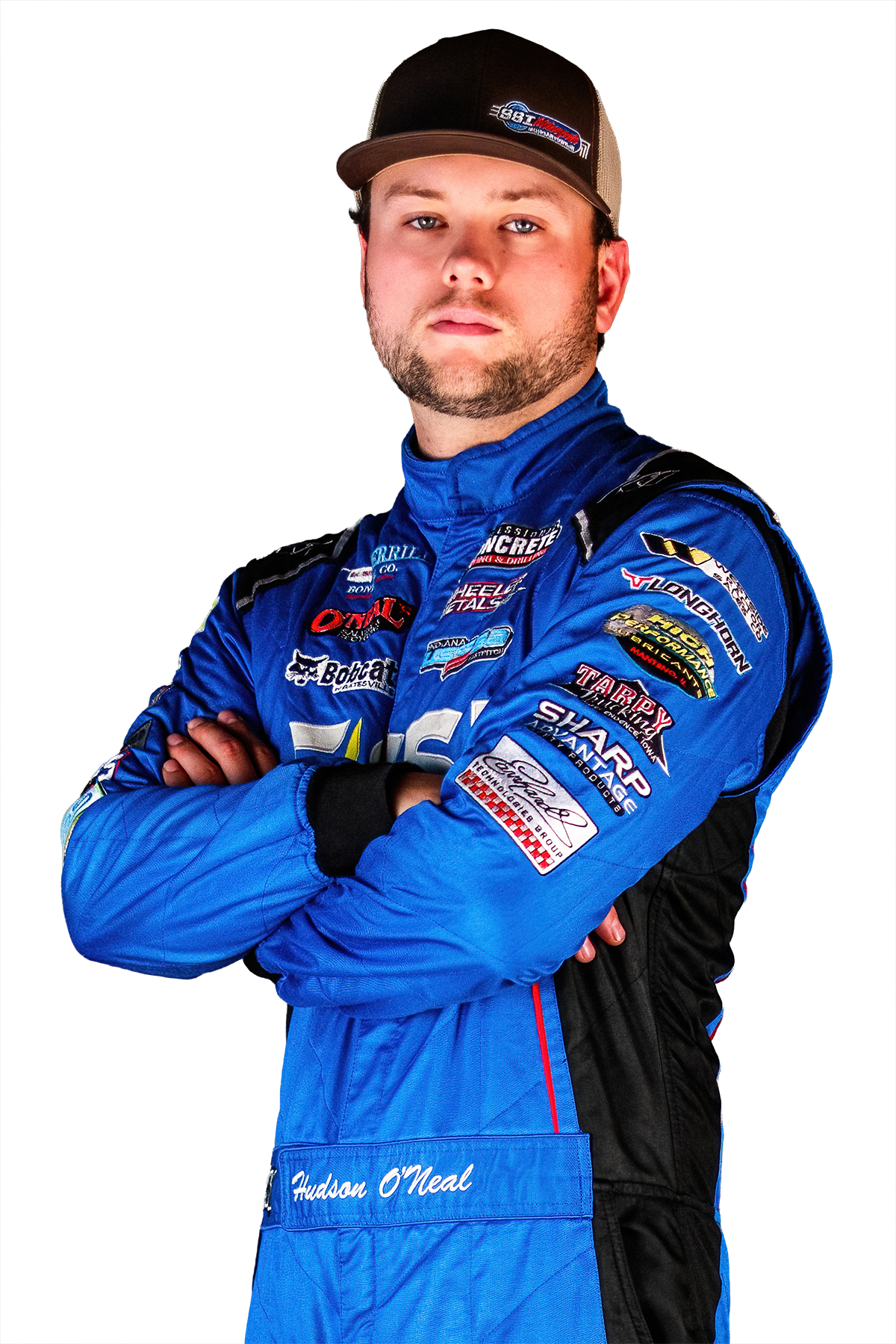 Hudson O’Neal– 55 PTS
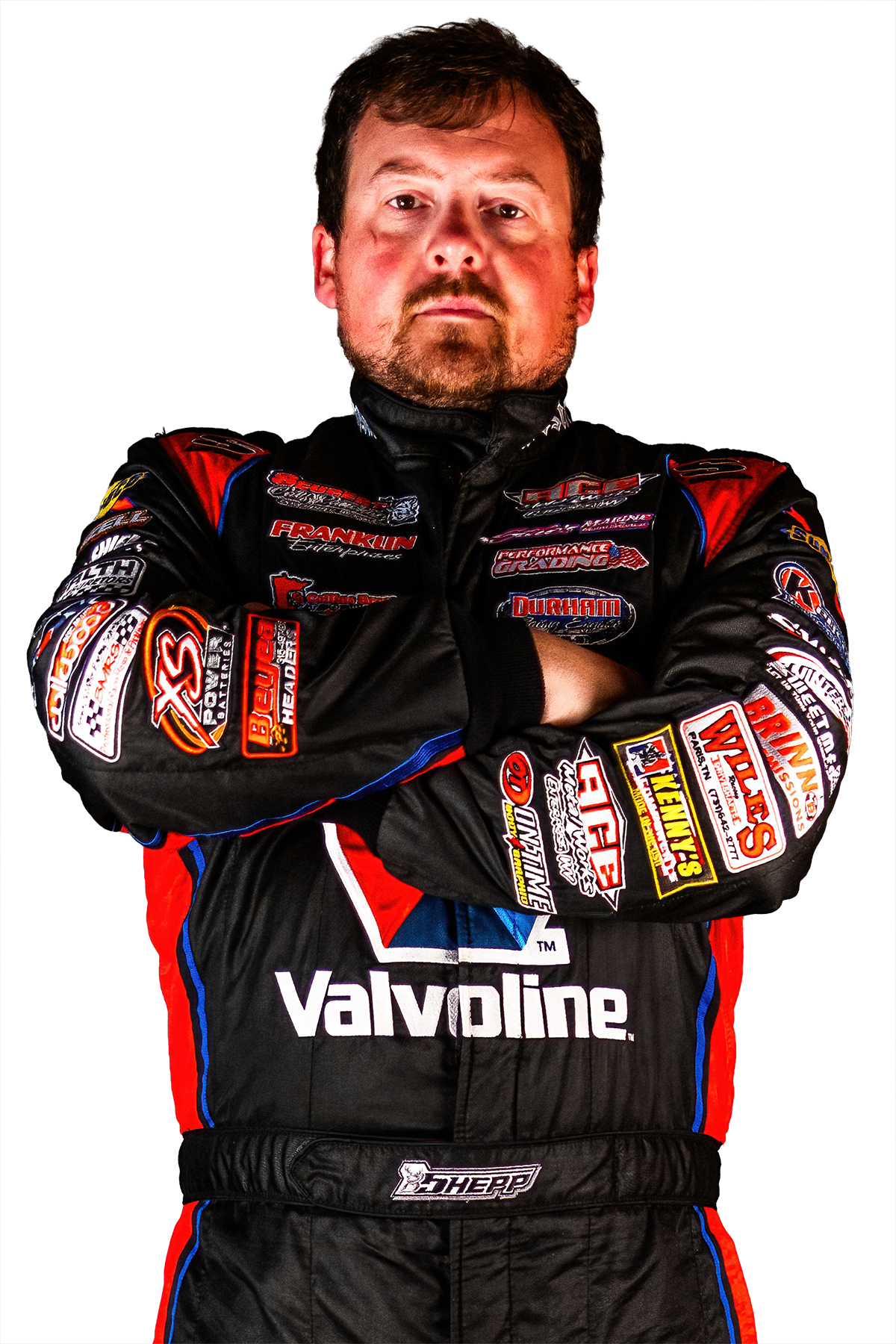 Brandon SheppardLEADER
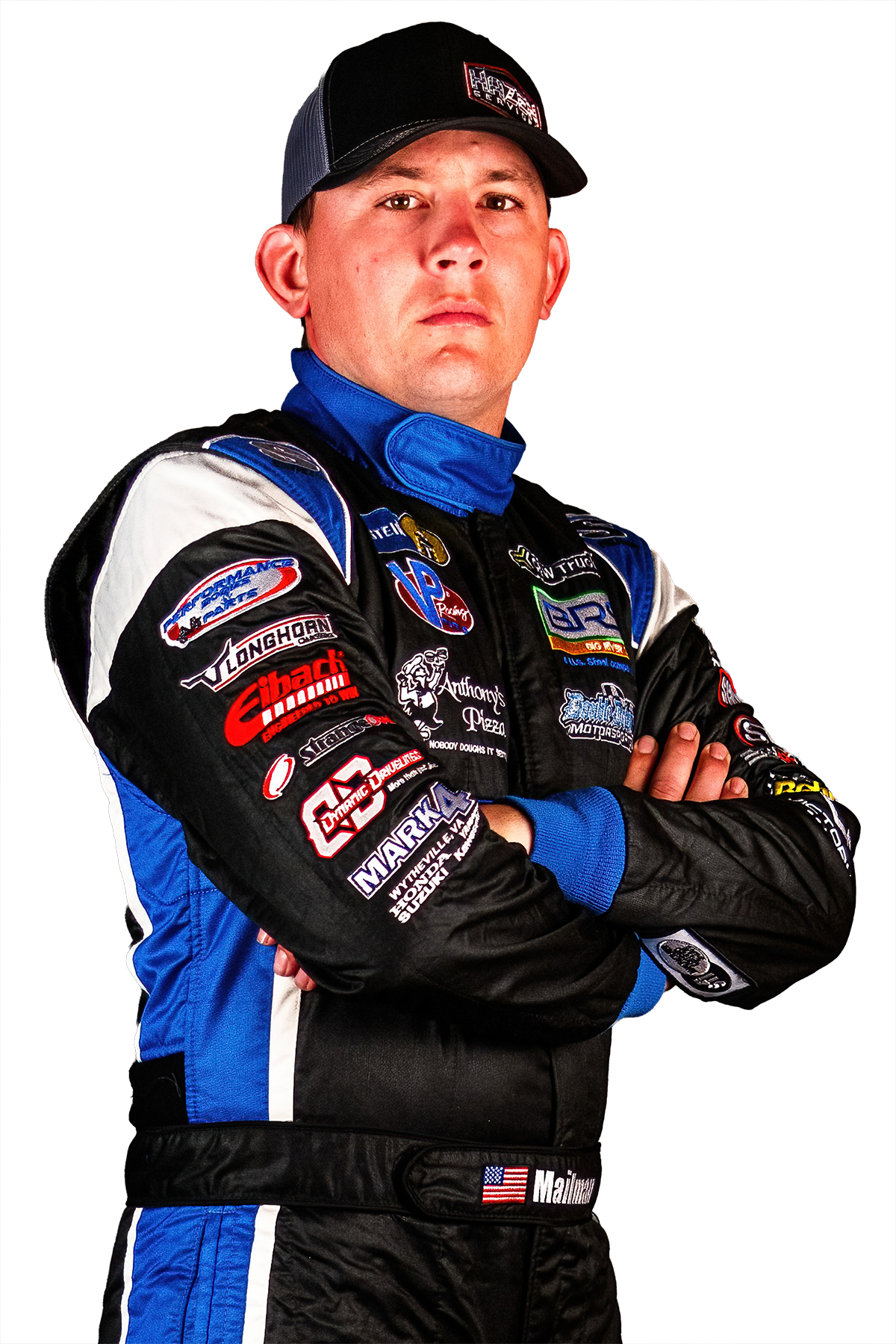 Devin Moran– 105 PTS
 38th Annual Pittsburgher
 The Clash on the Wabash
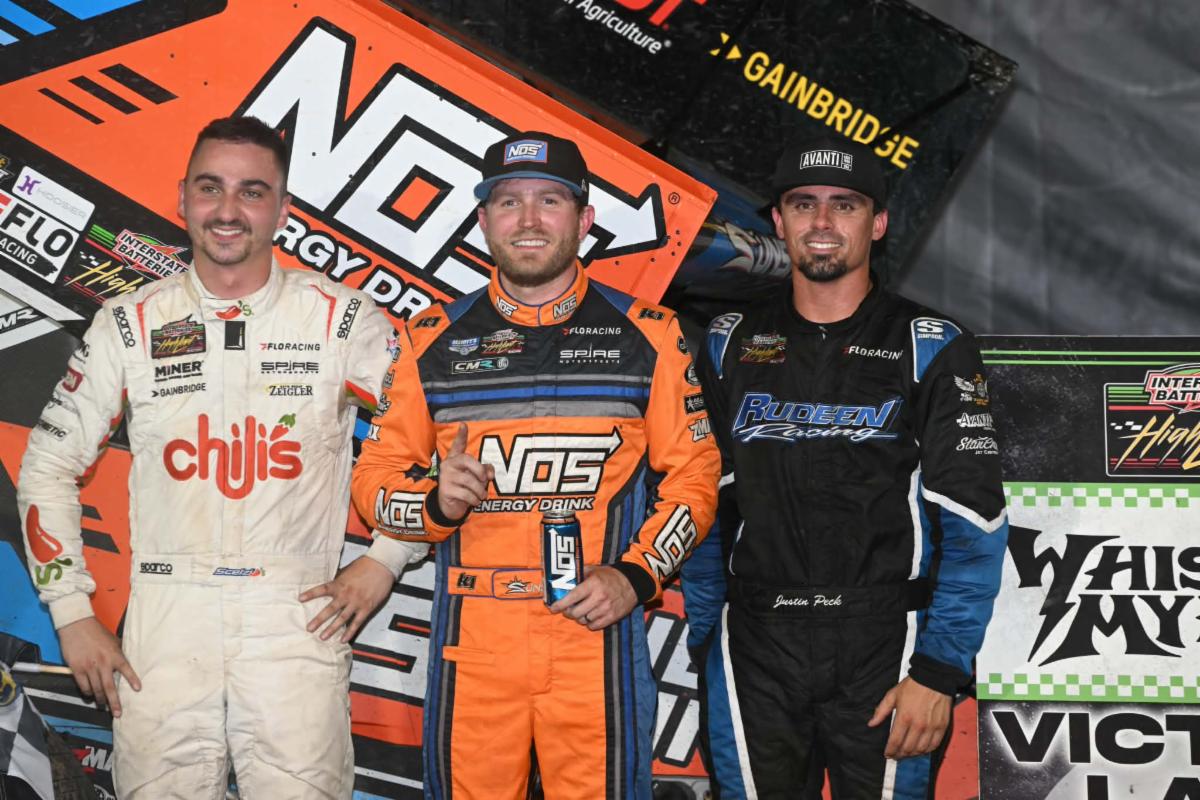 WHEATLAND, MO. (September 17, 2026) – Interstate Batteries High Limit Racing joined the 16th annual Jesse Hockett/Daniel McMillin Memorial for the first time ever on Thursday night, and promptly delivered a spectacular show at Lucas Oil Speedway.
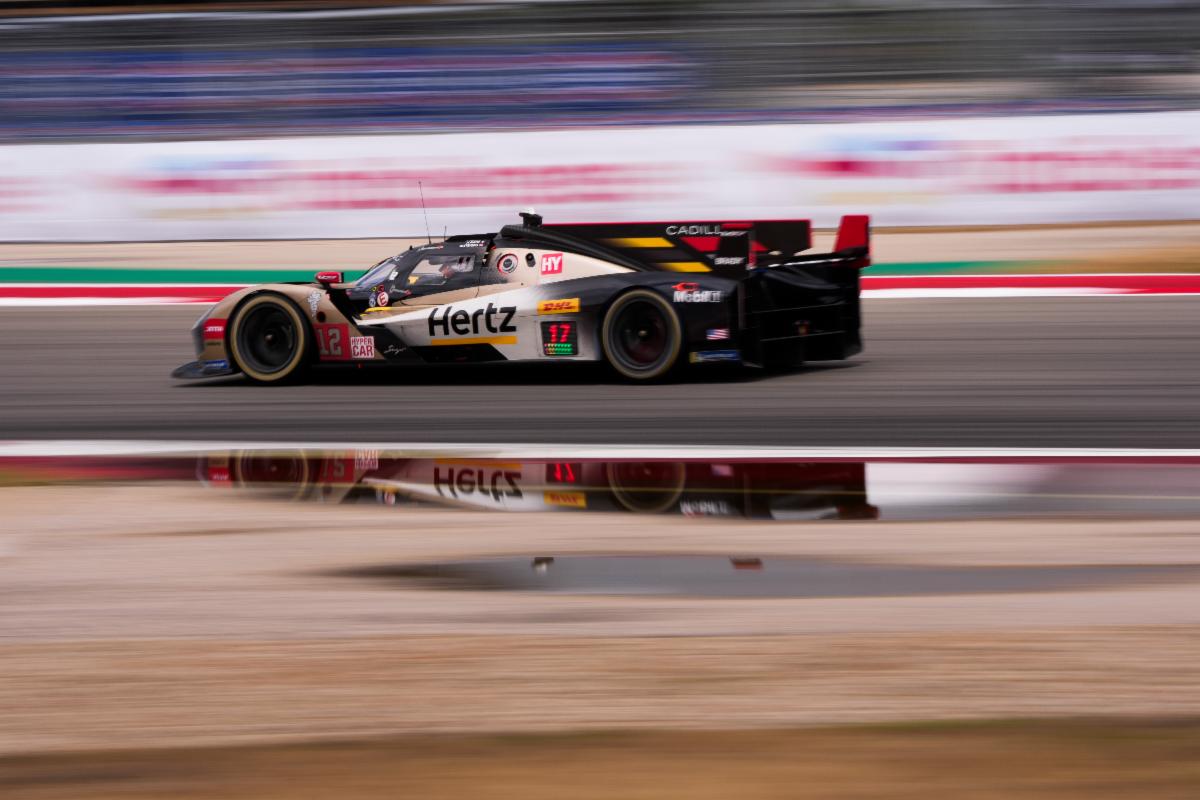 September 18th 2026 – Off the back of the strongest race result of the season to date in COTA, the attention of Cadillac Hertz Team JOTA now turns to the 6 Hours of Fuji, and targeting their first win of the season. Cadillac Hertz Team JOTA scored their second podium finish of the 2026 FIA World Endurance Championship season in COTA, with the No.38 finishing in second place – securing Cadillac’s first podium at it’s home race. The 6 Hours of Fuji takes place at the 4.563 km (2.835 miles), 16 turn Fuji Speedway. The historic circuit is characterised by a 1.475km start-finish straight where cars exceed 310km/h. The No.38 car Cadillac Hertz Team JOTA V-Series.R will be driven by Jack Aitken, Earl Bamber and Sebastien Bourdais, whilst the No.12 car will be driven by Norman Nato and Will Stevens, as Alex Lynn continues his recovery from surgery ahead of his anticipated return to racing in Barcelona. The 6 Hours of Fuji gets underway with two Free Practice sessions on Friday September 25th. A third Free Practice on Saturday will be followed by Qualifying and the 10-minute Hyperpole session. The Race is scheduled for 11am local time on Sunday September 27th.


 Josh Berry and the No. 21 Würth team head to Bristol Motor Speedway for Saturday night’s Bass Pro Shops Night Race looking to build on the speed they’ve shown throughout the summer stretch.Berry and the No. 21 team were a fixture inside the top 10 throughout much of Sunday’s race at Gateway, running as high as the top five and holding the seventh position late in the race before being collected in an incident that took them out of contention for a solid finish.“We were obviously disappointed with how things ended at Gateway because we had a strong car and were in position for a good finish,” Berry said. “But that’s behind us and we’re focused on Bristol.”The high-banked, concrete, .533-mile Bristol oval is a track Berry enjoys and one where the No. 21 team showed promise earlier this season.In the April race at Bristol, Berry raced inside the top 10 and scored Stage points in both of the opening Stages before contact on a restart damaged the front suspension of the No. 21 Mustang Dark Horse and relegated him to a 32nd-place finish.“I’ve had some good runs there in the past, and it’s a place I really enjoy going to,” Berry said. “You have to stay on top of the balance all night, and track position is very important.“Hopefully we can put together a complete race and have another strong showing.”Practice for the Bass Pro Shops Night Race is set for Friday at 4:30 p.m. ET, followed by qualifying at 5:40 p.m. TV coverage will be provided by truTV.Saturday night’s 500-lap, 266.5-mile race is scheduled to take the green flag just after 7:30 p.m., with TV coverage on USA Sports.Stage breaks are planned for Laps 125 and 250.
 Saturday, September 19Berry will sign autographs at the Team Penske/Wood Brothers merchandise hauler beginning at 3:40 p.m. local time in the Bristol Motor Speedway fan zone. 100 wristbands will be distributed on a first come, first-served basis.